

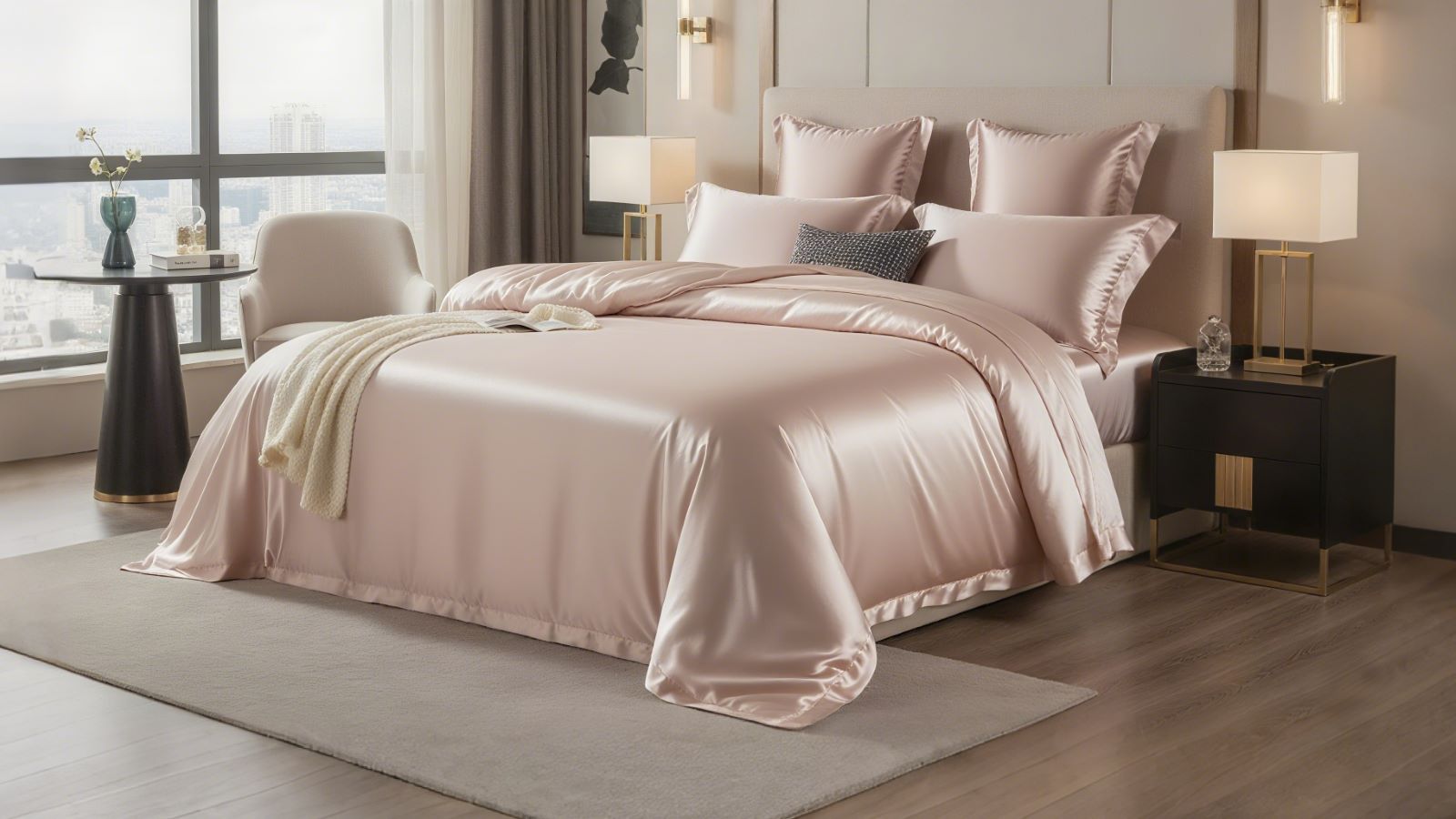
Silk bedding sets are loved for their incredibly soft feel and natural benefits for skin and health. If you’re aiming for high-quality sleep, it’s no surprise that silk tops the list.
But with so many options on the market, choosing your first set can feel confusing. What kind of silk should you go for? How do you tell if it’s real? And once you’ve bought it, how do you take care of it properly?
This Beginner Guide to Buying Silk Bedding Set will walk you through everything you need to know from the basics of silk fabric, to smart shopping tips, brand suggestions, and care instructions. Whether you’re here to treat yourself or gift someone else, hope this article will help you avoid common pitfalls and choose a silk bedding set that’s worth every penny.
✻ This page may contain affiliate links. If you make a purchase through these links, we may earn a commission at no extra cost to you. We only recommend products we believe will add value to our readers.
Why Silk Bedding Is Worth the Investment
Silk has long been celebrated as the “Queen of Fibers” — a natural symbol of comfort, elegance, and quiet luxury. But beyond the softness and shine, a silk bedding set brings a surprising range of benefits that make it well worth the price.
Here’s what makes silk stand out from other materials:
- Unmatched Comfort for Your Skin, Silk’s smooth, delicate surface glides over your skin with almost zero friction. It feels like a second skin, soft, weightless, and free. Unlike synthetic fabrics that may cling or trap heat, silk naturally drapes along your body’s curves without restriction. Many who try it once say they can never go back to cotton or blends.
- Natural benefits for skin and health, Silk contains a protein called sericin, which gives it natural resistance to dust mites, mold, and bacteria. This makes silk bedding a smart choice for people with allergies, asthma, or sensitive skin. It helps reduce nighttime irritation, so you wake up feeling more refreshed and clear. Plus, its low-friction surface minimizes skin creasing and hair breakage, especially beneficial for dry or aging skin.
- Built-in Temperature & Moisture Control, One of silk’s superpowers lies in its hollow fiber structure. It acts like a natural thermostat: keeping you warm in winter by trapping heat, and cool in summer by wicking away excess moisture and body heat. Silk also helps maintain skin hydration overnight, ideal for dry climates or air-conditioned rooms. In short, it’s a four-season bedding solution.
- Long-Lasting Luxury, Silk may seem delicate, but high-quality silk (like mulberry silk) is surprisingly durable with the right care. A well-maintained silk bedding set can last 5–10 years far longer than many mass-market cotton or microfiber sets. Over time, silk becomes even softer and develops a signature glow that reflects how well it’s “aged.”
- A Daily Dose of Quiet Luxury, Beyond the physical benefits, silk bedding offers a subtle but powerful emotional lift. There’s something undeniably calming about slipping into a bed dressed in smooth, shimmering fabric. It elevates your bedroom’s mood and can help signal to your brain: it’s time to relax, unwind, and treat yourself.
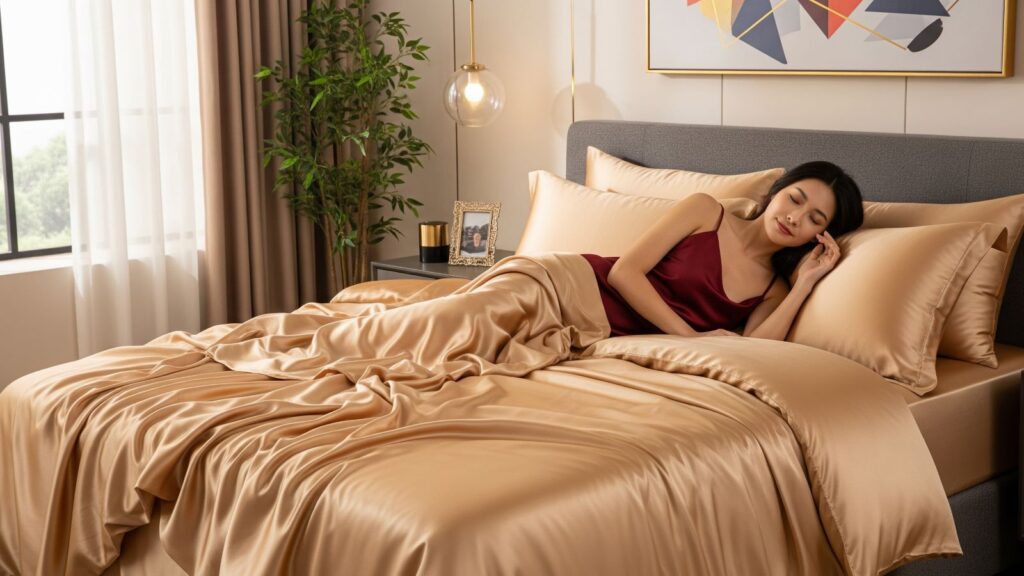
Silk has even more to offer, it’s gentle on skin and hair, helping to reduce signs of aging over time. It’s also a natural, biodegradable fiber, making it a more eco-conscious choice compared to synthetic alternatives. And let’s be honest: few things look as effortlessly elegant as a silk-covered bed. Once you experience it, you’ll understand why so many people never go back.
Fabric Comparison: Silk vs. Cotton, Linen, and Polyester
Before diving deeper into silk, here’s a simple comparison of the basic characteristics of various common bedding fabrics:
Feature | Silk | High-Quality Cotton | Linen | Polyester |
|---|---|---|---|---|
Feel | Extremely soft & smooth | Soft & comfortable | Slightly coarse | Average, slightly stiff |
Temperature Control | Excellent (warm in winter, cool in summer) | Good | Cool in summer | Poor (can trap heat) |
Moisture Absorption | Excellent | Excellent | Excellent | Poor |
Hypoallergenic | Naturally antibacterial & dust-mite resistant | Average | Naturally antibacterial | Easily attracts dust mites |
Durability | 5–10 years (needs careful care) | 3–5 years | Over 5 years | 2–3 years |
Price Range | High-end ($400+) | Mid-range ($60–150) | Mid to high-end ($120–230) | Low-end ($15–45) |
Now that you know why silk is worth it, let’s take a closer look at mulberry silk, and help you figure out how to choose a silk bedding set that truly fits your needs.
Silk Types, Why Mulberry Silk Is the Gold Standard
When buying silk bedding, simply seeing the word “silk” on a label isn’t enough. To truly choose a high-quality product, you need to understand a few key terms, especially the type of silk used. Material makes all the difference in how your bedding feels, lasts, and performs over time.
Here’s a breakdown of the three main types of silk you’ll find in the market—and why Mulberry silk stands above the rest:
Mulberry Silk – The Highest Quality Choice
Also known as cultivated silk, mulberry silk is considered the finest and most luxurious type, and the one most people mean when they refer to “silk.” It’s made from silkworms raised in controlled environments and fed exclusively on mulberry leaves. This results in long, uniform fibers (often over 1,000 meters), with a smooth texture and a soft, pearl-like sheen.
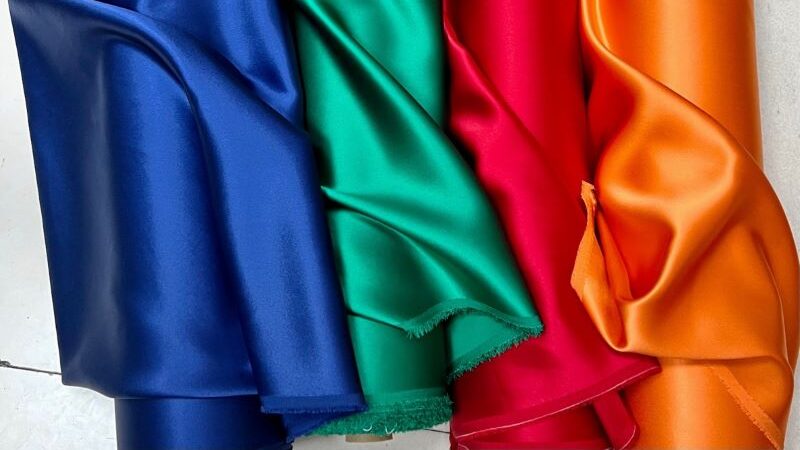
Mulberry silk is naturally breathable, ultra-soft, and exceptionally skin-friendly—making it ideal for bedding. If you’re buying a silk duvet cover or sheet set, always look for a label that clearly says “100% Mulberry Silk.” Be cautious of blends or vague descriptions like “real silk”—they’re often not the same.
Tussah Silk – Natural, but Not as Refined
Tussah silk (also called wild silk) comes from silkworms that are raised outdoors and feed on a variety of leaves. The fibers are shorter, coarser, and vary in thickness. The look is more matte, and the feel is less smooth than mulberry silk. It’s typically priced 30–40% lower, and while it’s still a natural fiber, it doesn’t offer the same comfort or durability.
Some sellers may label tussah silk products simply as “natural silk” without specifying the type, so make sure to read the fine print before buying.
Spun Silk – Recycled but Still Natural
Spun silk, also known as reconstituted silk, is made from short fibers collected from damaged cocoons, leftover silk waste, or production scraps. Its quality can vary a lot. Lower-grade spun silk tends to be rougher and prone to pilling, while high-end versions, after complex processing, can feel quite similar to wild silk in texture.
This type of silk is rarely used for duvet covers or bedding sets. You’re more likely to find it in sewing threads, embroidery yarn, lightweight summer clothing, or decorative home textiles.
Although it’s made from imperfect cocoons, the raw material is still natural mulberry silk. In fact, the manufacturing process can be more labor-intensive than regular silk. Some premium spun silk fabrics can even rival mid-range mulberry silk in price.
That said, when buying silk bedding, you usually won’t encounter spun silk, so there’s no need to worry too much. But knowing this distinction helps you avoid confusing marketing terms.
💡 Tips: For the softest, longest-lasting, and most skin-friendly experience, 100% Mulberry Silk is your best bet, especially for something as close to your body as bedding. Wild silk and spun silk have their place, but if you’re investing in luxury sleep, don’t settle for less than the real thing.
Momme and Thread Count: Two Key Measures of Silk Density and Weight
When it comes to Mulberry Silk, momme (abbreviated as “mm”) is the industry standard unit that measures the weight of silk fabric. One momme equals approximately 4.33grams/m2. Simply put, the higher the momme number, the more silk fibers are packed into each square meter, resulting in a thicker, more durable fabric.
Typical momme weights for silk bedding sets range between 16 and 25 momme:
- 16–19 momme: Lightweight and breathable, ideal for summer or warm climates. These tend to be more affordable but have average durability.
- 20–22 momme: The perfect all-season weight, balancing comfort with longevity, very popular for everyday use.
- 23–25 momme: Premium heavyweight silk, offering excellent warmth in winter and coolness in summer. These sets are more durable and expensive.
It’s worth noting that 19 momme is often considered the “skin-care grade” threshold, as silk of this weight can help reduce sleep wrinkles. Any claimed beauty benefits from silk below this momme weight should be viewed skeptically.
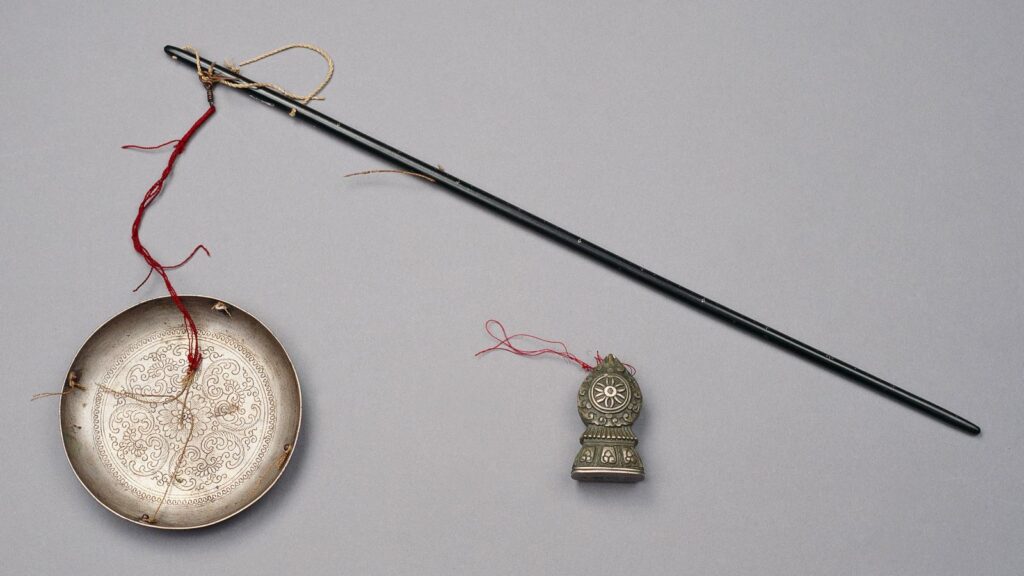
🔸 Check our article for more details about “Momme”.
Thread Count (S) refers to the number of silk threads woven into one square inch of fabric. The higher the thread count, the finer and softer the fabric feels. For quality silk bedding, thread counts usually fall between 30 and 60:
- 30–40 threads: Basic grade silk, slightly coarser texture but more budget-friendly.
- 50–60 threads: High-end silk, with a smooth and delicate hand feel.
How Momme and Thread Count Work Together
Momme and thread count jointly determine the silk’s texture and durability. The ideal choice is typically a silk bedding set with:
- Momme ≥ 19
- Thread count ≥ 40
However, be cautious some sellers emphasize a high number in one metric while downplaying a lower number in the other. Always ask to see the full specifications before buying.
💡 A Note on Thread Count and Silk Yarn Structure
Because silk fibers have fixed thickness and fabric density is limited by momme, thread count for mulberry silk bedding generally falls within a certain range. Silk yarn is typically made by twisting together 2 or 4 silk filaments before weaving. For standard 19 momme silk, 4-filament yarn is common, resulting in an actual thread count between 40 and 50.
If the thread count is lower, more silk weight (momme) is needed to maintain thickness, and vice versa. For most shoppers, momme is the more reliable indicator of quality and no thread count offered. If the seller provides thread count, aim for the 40–50 range for best results.
Beware of claims of thread counts as high as 80 or above, these are often inflated or inaccurate.
Weaving Techniques: Key Details That Affect Your Silk Bedding Experience
The way silk bedding is woven makes a big difference in how it looks, feels, and how long it lasts. Here are some common weaving styles you’ll come across:
Plain Silk Satin (Solid Satin):
This is the most common silk weave for bedding. One side is shiny, the other is matte, giving it a smooth, slippery feel and great drape. It’s super comfortable but can snag easily, so you’ll want to handle it with care. If you want that true luxurious silk feeling without breaking the bank, this weave is a solid choice. For example, silk bedding sets from brands like silksilky mostly use this plain satin, focusing on solid colors. Their quality is excellent and price very reasonable, definitely a great pick for everyday luxury.
Printing Plain Silk Satin:
Same quality and feel as plain satin but with patterns and prints for a bit more style. If you want some visual flair without sacrificing that silky softness, these are great.
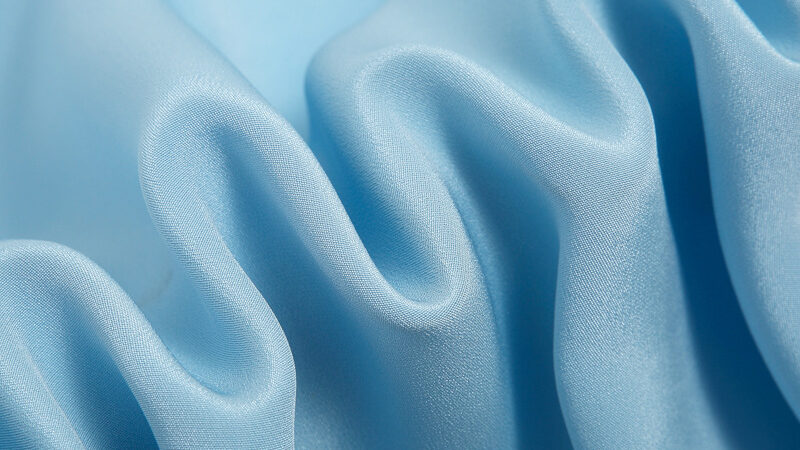
Silk Crepe de Chine (Crepe):
This weave has a subtle, uniform texture with tiny wrinkles, giving it a softer sheen and better elasticity compared to plain satin. It’s also more wrinkle-resistant. If you like a more natural, relaxed look with gentle folds, crepe silk might be your style. That said, it’s less common in bedding sets, more often found in scarves or clothing.
Jacquard Silk:
This is a fancy technique where intricate, raised patterns are woven directly into the fabric rather than printed. It looks elegant and the patterns won’t fade or peel. Jacquard silk bedding is rare and usually very expensive, mostly found in high-end markets in China due to the complexity of the weaving process.
Reversible (Double-Sided) Designs:
Lately, reversible silk bedding has become popular. One side is pure silk, the other is made of a different fabric like cotton or a thicker material. This lets you switch sides depending on the season, keeping the softness of silk but adding warmth and durability when needed. It’s perfect for places with distinct seasons. Personally, I think this is mostly useful for winter—why not just go full silk in summer for better breathability and lighter weight?
Sewing Quality Matters Too
Good silk bedding isn’t just about the fabric, it also needs quality stitching. Look for sets with bound edges to prevent fraying, consistent stitching (around 12–14 stitches every 3 cm), and reinforced corners. These details make a huge difference in how long your bedding lasts. Rough, uneven sewing can cause your silk sheets to wear out much faster.
Sizing Tips: Match Your Duvet Cover to Your Bed and Insert
When buying a silk bedding set, getting the size right is crucial, especially if you’re purchasing a full set with duvet covers, sheets, and pillowcases. Here’s a quick guide based on common US/UK mattress sizes:
- Twin: 38″ × 75″ (96.5 × 190.5 cm), Suitable for children or single sleepers.
- Twin XL: 38″ × 80″ (96.5 × 203 cm), Extra length; common in college dorms.
- Full / Double: 54″ × 75″ (137 × 190.5 cm), Cozy for two, spacious for one.
- Queen: 60″ × 80″ (152 × 203 cm), Most popular size for couples.
- King: 76″ × 80″ (193 × 203 cm), Extra width for couples who want more space.
- California King: 72″ × 84″ (183 × 213 cm), Longer and slightly narrower than standard King; great for tall people.
💡 Golden Rule: Choose a duvet cover that is 5–10 cm (2–4 inches) larger than your duvet insert on each side. This ensures a snug but not tight fit, easy to stuff in and pull out when needed.
Also, remember to measure your actual duvet insert, not just the mattress. For specialty bed shapes (like round beds or Japanese tatami), consider made-to-order options. Custom orders usually take about 7–15 days to produce.
Spotting Real Silk
The silk market is full of beautiful-looking products, but not all are what they claim to be. Here’s how to verify the quality and authenticity like a pro.
🔥 The Burn Test: A Reliable (But Careful) Method
This is one of the most effective ways to tell real silk from fake, but it should only be done safely and with seller permission. Some sellers may provide a small fabric sample for testing.
Use tweezers to hold a small thread or edge piece. Carefully light it with a lighter or match.
What to observe:
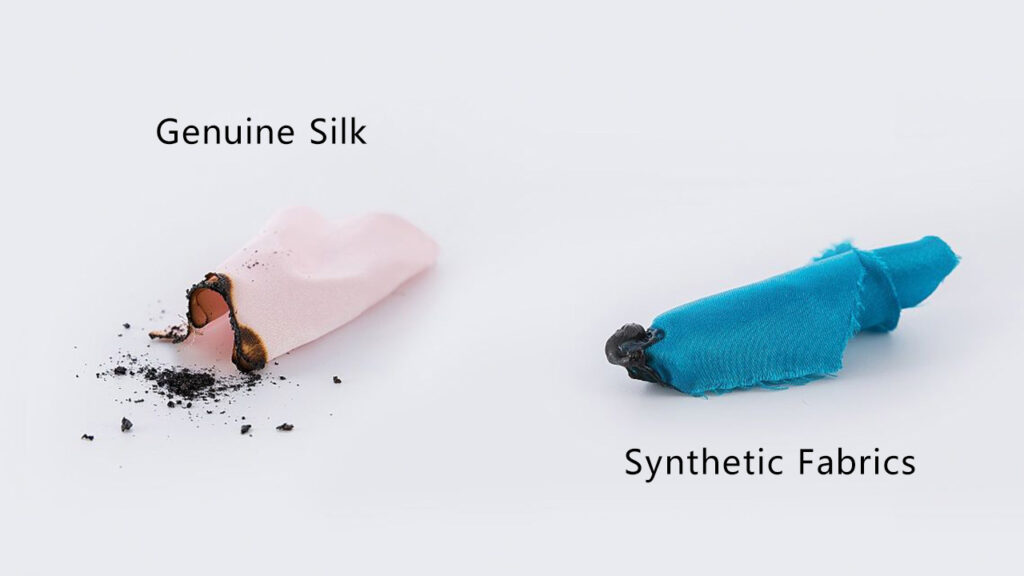
- Real silk: Burns slowly with a small flame, smells like burning hair, and leaves behind black, brittle ash that crumbles easily.
- Cotton/linen: Burns brightly, smells like burning paper, and leaves soft gray ash.
- Polyester/fake silk: Melts and drips, smells like burnt plastic, and forms hard black beads.
👁 Sensory Tests: What You Can See and Feel
Not every shop allows you to burn the fabric, so here are a few non-destructive ways to help you judge silk quality:
- Shine Test: Real silk has a soft, pearl-like luster that changes subtly with the angle of the light. Imitation silk tends to have a flat, shiny, plasticky sheen.
- Touch Test: Real silk feels smooth with a faint “grippy” sensation (not slippery like polyester). Rub it between your fingers, it should drape and flow naturally. A quick trick: place it against your cheek. It should feel cool at first and warm up gradually with your skin temperature.
- Breath Test: Breathe through the fabric. Real silk is breathable, you should feel your breath come through.
- “Silk Sound” Test: Rub two layers of silk together. You’ll hear a gentle, crisp “shhh” sound, known as the “silk rustle”—a telltale sign of authenticity.
- Wrinkle Test: Gently fold the fabric and release. High-quality silk will spring back quickly and leave minimal creasing. Fakes tend to hold wrinkles longer or feel stiff when folded.
If you’re unsure, try comparing it with an item you know is genuine silk—or even a piece of synthetic fabric. The differences are usually obvious once you’ve handled both.
💧 Washing Test (If You Already Bought It)
At home, you can try a water test: soak a corner of the silk. Real silk may slightly tint the water yellowish due to natural proteins, but the color should remain stable. After washing, real silk won’t shrink noticeably and should stay smooth and intact.
🏷 Understanding Labels: The Silk Product “ID Card”
Authentic silk products often come with professional certifications. Look for:
- OEKO-TEX® Standard 100: International safety certification for textiles—ensures no harmful substances.
- 6A Grade Silk: Indicates top-tier mulberry silk quality.
Care Labels: Real silk usually requires delicate care—hand wash or dry clean only, water below 30°C (86°F), no bleach. If the label says it’s machine washable at high temperatures, that’s a red flag—it may be fake or a blend.
💰 Price Reality Check: If It’s Too Cheap, Be Cautious
Silk is a natural protein fiber with a high production cost. Here’s a rough guide based on 2025 prices:
- Mid-range silk 4-piece set (19–25 momme, 100% mulberry): $400–$800
- High-end set (25–30 momme, luxury-grade mulberry, branded): $800–$1500+
Even within a reasonable price range, you should still compare specific details like momme weight and thread count—instead of just looking at the total price.
🔸 More methods for telling Real Mulberry Silk from Fake.
Where to Buy and How to Buy Smart
Choosing a trusted seller can greatly reduce your chances of buying counterfeit silk. Stick with brands you already know, or large online marketplaces that offer buyer protection—like Amazon.
💡 Pro tip: Before buying, check customer reviews and the store’s return policy.
Ask the seller if they support third-party testing—genuine silk sellers usually aren’t afraid of being tested.
Keep all purchase records and receipts in case you need to return the item or request a refund.
Once you understand these key indicators and ways to check for quality, even first-time buyers can shop with confidence. You’ll be able to focus on what matters and stay clear-headed in a market full of marketing hype.
If your budget is limited, make sure you prioritize the two most important factors: the type of silk and its momme weight. Then, if possible, you can consider extras like colors, patterns, or brand reputation.
Silk is a naturally luxurious material, and its real value shows up in the small details. Every dollar you spend should be reflected in the comfort and quality you get in return.
✅ Brand & Product Recommendations: From Entry-Level to Premium
With so many silk bedding brands out there, it’s easy to feel overwhelmed, especially if you’re new to it. In this section, we’ll recommend trusted brands and products in different price ranges, based on the latest market trends in 2025. These suggestions are drawn from major e-commerce platforms, taking into account real customer reviews, sales numbers, and expert evaluations, with a balance between quality and value for money.
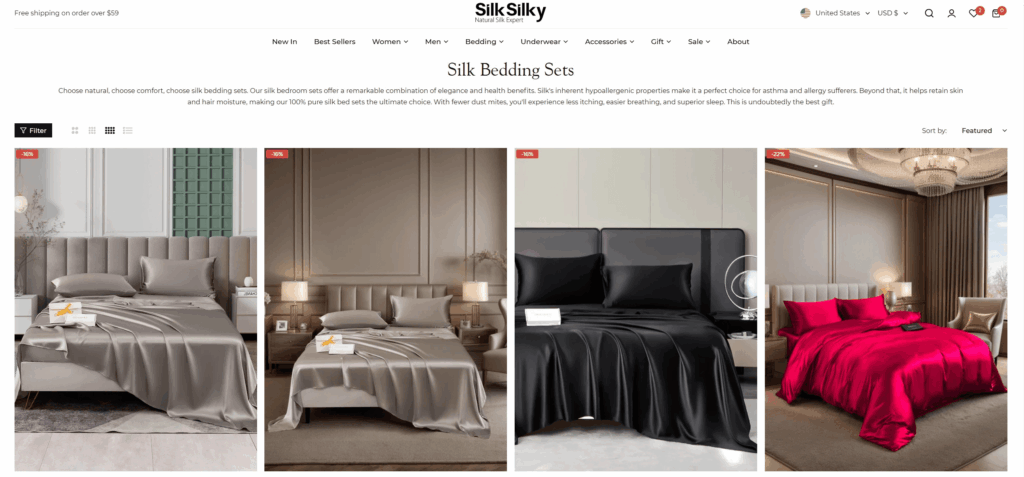
- SilkSilky is a great choice if you’re looking for high quality without spending a fortune. It’s affordable, and most everyday users will be happy with the comfort and finish.
- Amazon gives you access to a wide range of silk bedding options—from beginner-friendly to luxury sets. You can compare brands easily, and many listings include customer reviews and ratings.
- AliExpress and DHgate, as Chinese platforms, might offer mulberry silk bedding sets at near-factory prices. But the quality can vary a lot, so you’ll need to shop carefully. That said, if you manage to find a real silk product straight from the source, it can be a truly great deal.
Final Thought: Make Your First Silk Purchase Worth It
Buying your first silk bedding set might feel a little overwhelming at first—there’s a lot more to consider than just picking a pretty color or soft texture. From understanding what “100% mulberry silk” really means, to decoding momme weight, thread count, and weaving techniques, this guide hopefully gave you a solid foundation to shop with confidence.
Real silk isn’t cheap, but that’s exactly why it’s worth taking your time to get it right. A high-quality silk duvet cover or sheet set isn’t just a luxury, it’s an investment in better sleep, better skin, and better living. You’ll feel the difference every time you crawl into bed: the natural coolness in summer, the cozy warmth in winter, and that buttery smooth texture against your skin that just makes the day’s stress melt away.
And here’s the best part: silk bedding, when chosen wisely and cared for properly, can last for years—getting softer and more comfortable with time. That means you’re not just buying bedding; you’re upgrading your sleep environment, your self-care routine, and your overall lifestyle.
So whether you’re looking for that one perfect set to elevate your bedroom, or starting a long-term love affair with natural fabrics, silk is a beautiful place to begin.
Make the switch to real silk.
Discover breathable, skin-friendly comfort with our mulberry silk bedding collection.
👉 Buy Your First Silk Bedding Set
Sleep well, you’ve earned it.





Leave a Reply