
8 Popular Types of Mulberry Silk Fabrics, Which One Is Right for You?
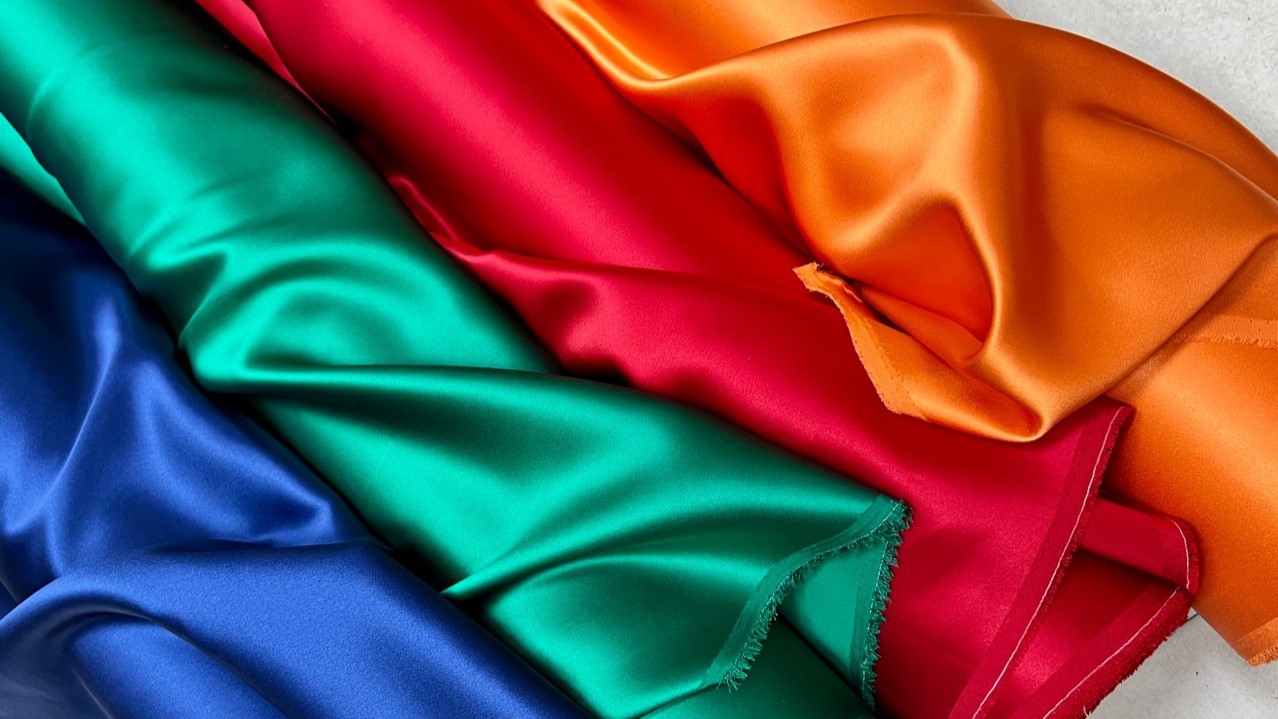
Mulberry silk is renowned for its exceptional quality, luxurious feel, and beautiful drape, making it a highly sought-after fabric for a variety of products. But did you know that “mulberry silk” isn’t just one type of fabric? It’s the source of the silk fiber – specifically, silk produced by silkworms that feed exclusively on mulberry leaves. This diet results in the finest, strongest, and smoothest silk fibers.
From these exquisite fibers, a fascinating array of fabrics can be woven, each with its unique characteristics and uses. Let’s explore some of the most popular types of mulberry silk fabrics.
✻ This page may contain affiliate links. If you make a purchase through these links, we may earn a commission at no extra cost to you. We only recommend products we believe will add value to our readers.
1. Silk Satin(Charmeuse)
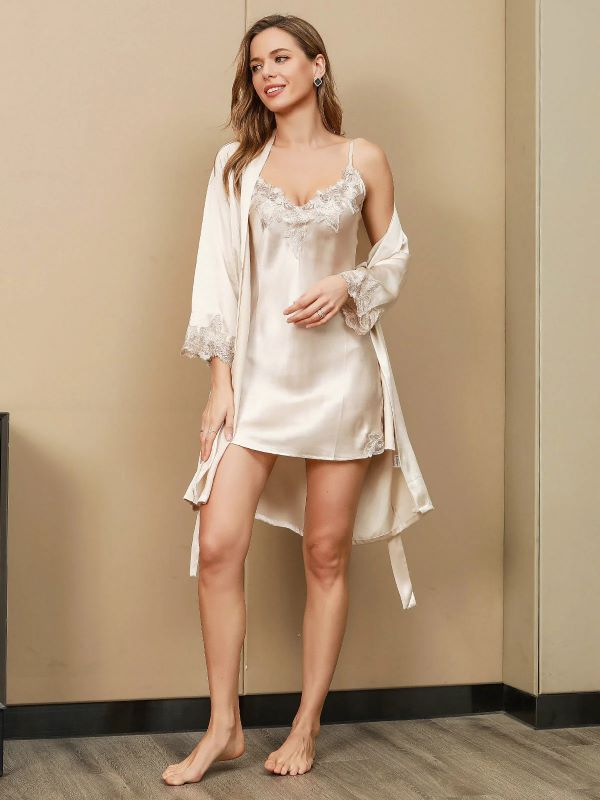
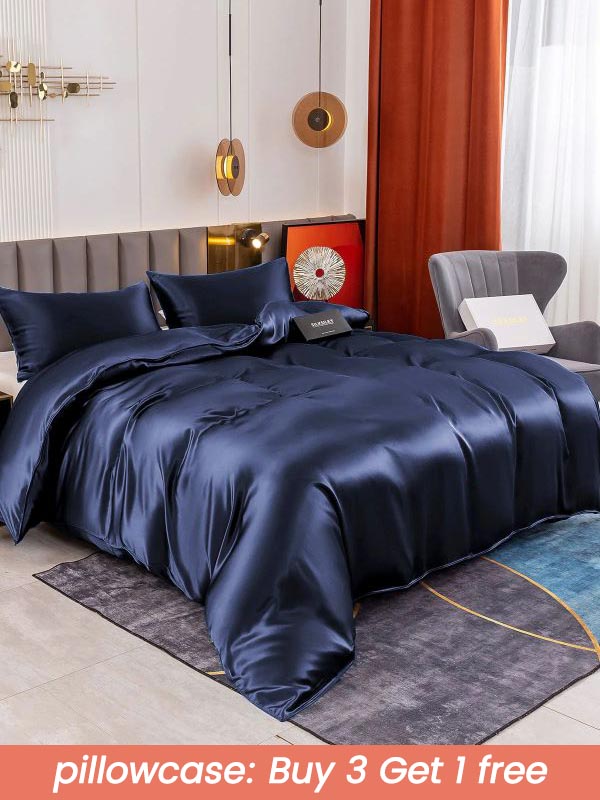
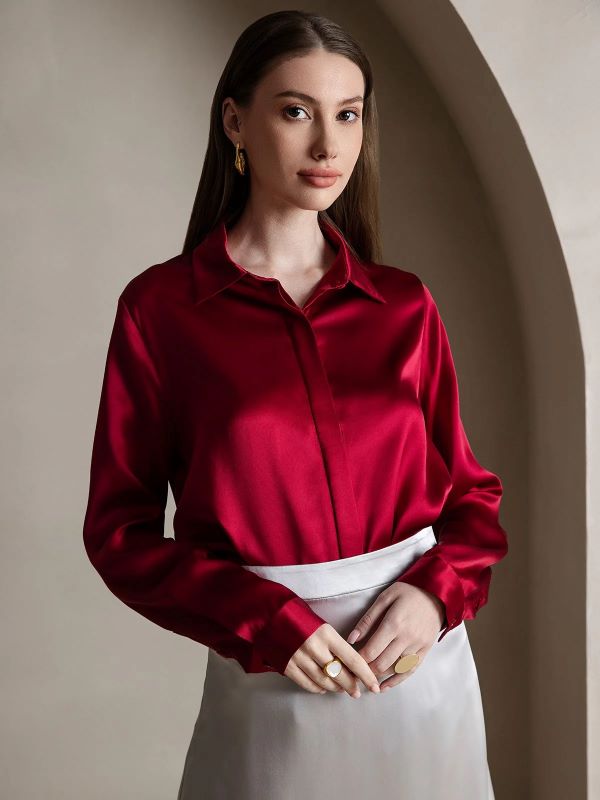
Satin silk, often referred to as silk Charmeuse due to its weave, is arguably one of the most popular and recognizable types of silk fabric. It features a beautiful sheen on one side and a dull, matte finish on the reverse. Its characteristic luster and incredibly smooth, soft hand make it a favorite for luxurious sleepwear (think silk pajamas and robes), bedding (pillowcases and sheets), and elegant dresses and blouses. The way it drapes beautifully against the body is unmatched.
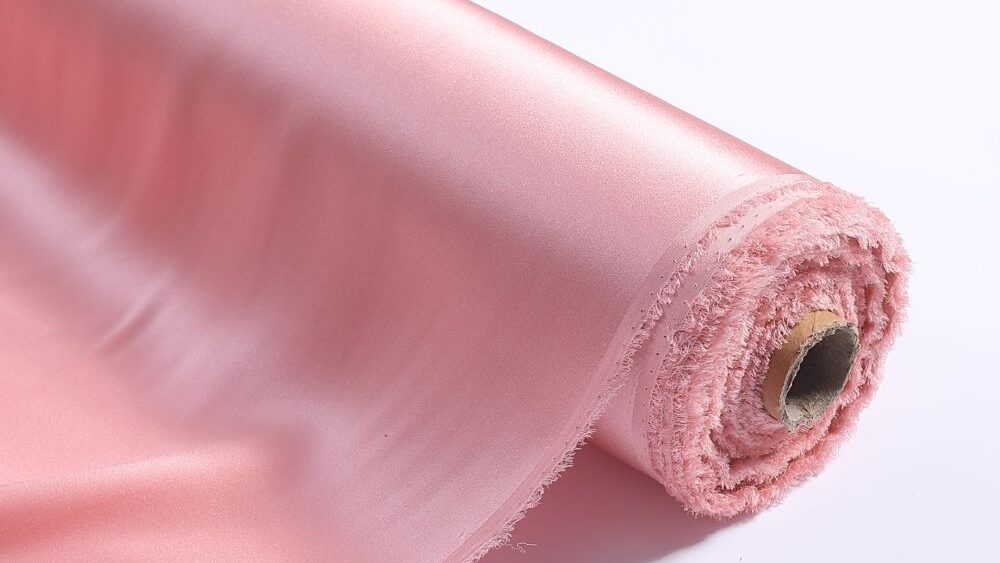
While satin broadly refers to a type of weave that creates a glossy surface, Charmeuse is a specific type of satin weave. Traditionally, satin could be thicker with a denser thread count, making it ideal for more luxurious and high-end bedding. Charmeuse, on the other hand, was typically lighter and more delicate, perfect for women’s sleepwear and summer clothing.
However, over time, the terms have become almost interchangeable in the West. In China, you can still find many thicker satin silks, primarily used for jacquard weaving and embroidery in high-grade duvet covers and bedding sets.
2. Crepe de Chine Silk
For those who prefer a more subdued elegance, crepe de Chine silk is an excellent choice. Unlike Satin and charmeuse, it has a matte finish with a subtle, crinkled texture. This slight texture gives it a bit more body and a less slippery feel, making it easier to work with for designers. Crepe de Chine is widely used for scarves, blouses, and dresses where a soft drape and sophisticated matte appearance are desired. Its natural resistance to wrinkling also makes it a good travel companion.
3. Georgette Silk
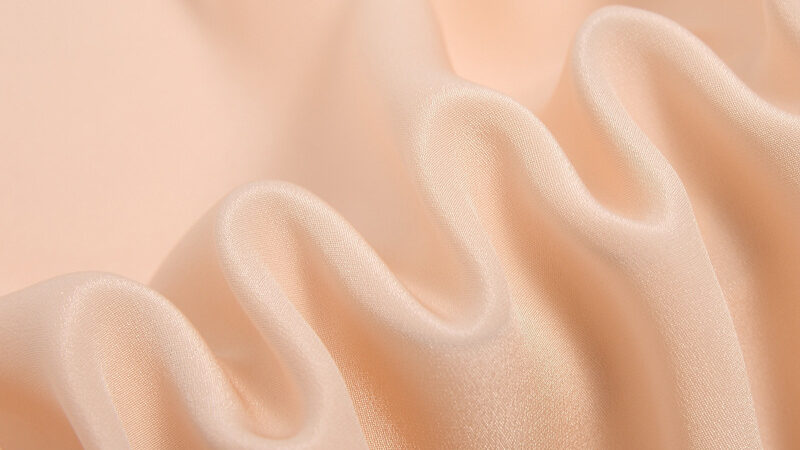
Georgette silk is a lightweight, sheer fabric with a dull, crinkled surface, similar to crepe de Chine but typically more opaque. It’s made with highly twisted yarns, which gives it a springy, flowing drape. Georgette is often used for flowy blouses, dresses, and scarves, especially when a layered look or a soft, airy feel is desired. Its slightly coarse texture allows it to hold embellishments well.
4. Habotai Silk
Habotai silk is a classic plain-weave silk, known for being lightweight, soft, and having a smooth, even surface. It’s often considered the “workhorse” of silk fabrics due to its versatility and relatively affordable price point. Habotai is commonly used for linings, scarves, painted silks, and lightweight blouses. While it has a lovely drape, it’s less lustrous than charmeuse.
5. Organza Silk
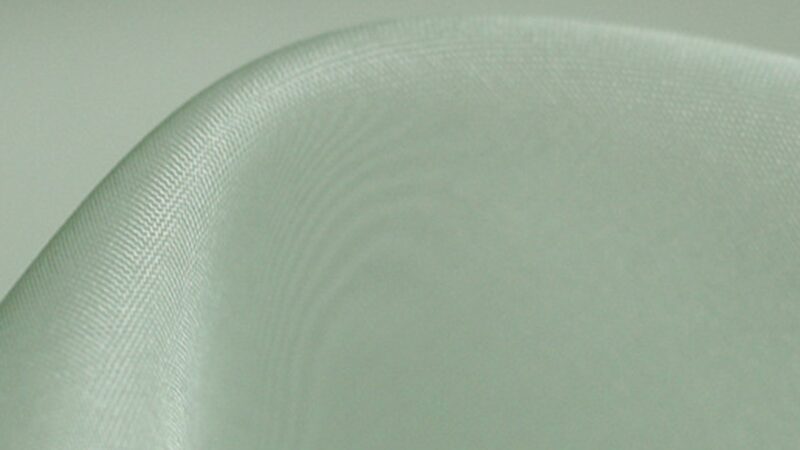
If you’re looking for something with structure and a sheer quality, organza silk is your go-to. This lightweight, crisp fabric is woven with a very fine, tightly twisted yarn, giving it a stiff hand and a shimmering, transparent appearance. Organza is frequently used for bridal gowns, evening wear overlays, decorative elements, and theatrical costumes where volume and a delicate, ethereal look are crucial.
6. Silk Twill
Silk twill is characterized by its distinct diagonal rib pattern on the surface. This weave creates a durable fabric with an excellent drape and a subtle sheen. It’s less prone to wrinkling than many other silk weaves and holds its shape well. Silk twill is a top choice for high-quality scarves, ties, and structured garments like blouses and dresses, where its strength and elegant appearance are highly valued.
7. Taffeta Silk
For a fabric with a crisp hand and a distinct rustle, taffeta silk is the answer. This plain-weave fabric is known for its smooth surface and characteristic “swish” sound when moved. Taffeta can range from soft to stiff, depending on its weave and the type of silk used. It’s a popular choice for evening gowns, bridal wear, and high-fashion garments that require structure and a dramatic silhouette.
8. Jacquard Silk & Printed Silk
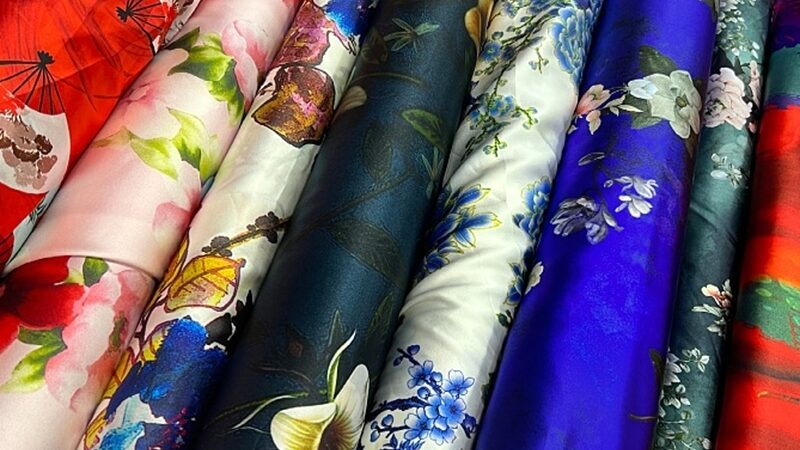
Beyond the weave types, silk fabrics can also be characterized by their patterns. Jacquard silk refers to any silk fabric woven on a Jacquard loom, which allows for intricate, raised patterns to be woven directly into the fabric itself. These designs can be anything from florals to paisleys to complex geometric shapes, adding immense richness and texture. Think of luxurious ties, upholstery, and evening wear.
Printed silk, on the other hand, involves applying designs to the surface of a woven silk fabric using various printing techniques. This allows for an endless array of colors and patterns, from vibrant abstract designs to detailed pictorials. Scarves, dresses, and blouses are common applications for printed silks.
Quick Overview Comparison of all types
Silk Type | Sheen | Texture | Transparency | Best For |
|---|---|---|---|---|
Satin (Charmeuse) | High | Smooth, fluid | Opaque | Bedding, blouses, lingerie |
Habotai | Soft glow | Lightweight, plain | Semi-sheer | Scarves, linings, light dresses |
Crêpe de Chine | Low | Slightly rough | Opaque | Dresses, tops |
Georgette | Low | Grainy, airy | Sheer | Gowns, overlays |
Organza | Low | Crisp, stiff | Very sheer | Formalwear, veils |
Twill | Medium | Ribbed, soft | Opaque | Scarves, suits |
Taffeta | Medium | Crisp, smooth | Opaque | Eveningwear, structured garments |
Jacquard / Printed | Varies | Woven or printed patterns | Opaque to semi-sheer | Decorative wear, fashion pieces |
A Glimpse into Chinese Silk Heritage
While the types above are widely popular globally, it’s worth noting that the birthplace of silk, China, boasts an even richer and more complex tradition of silk craftsmanship, with a history spanning over 5,000 years. Beyond what’s commonly found in Western markets, you’ll discover terms like:
- 绫 (líng) – A fine silk fabric often featuring intricate woven patterns and a slightly stiff texture, traditionally used for formal garments.
- 罗 (luó) – A lightweight, open-weave silk with a breathable and sheer quality, ideal for summer clothing and layering.
- 绸 (chóu ) – A general term for smooth, tightly woven silk fabrics, commonly used in both everyday and formal wear.
- 缎 (duàn) – this is the Satin Silk, charmeuse is turned from this type, lustrous satin-weave silk with a glossy front and matte back, perfect for luxurious bedding or evening gowns.
- 绢 (juàn) – Often crafted from imperfect cocoons or recycled silk threads, juan is a dense, matte silk with a distinctive paper-like texture, widely used in traditional scrolls, robes, and artworks.
- 锦 (jǐn) – A richly decorative brocade silk woven with colorful, often metallic threads, famous for its intricate motifs and used in ceremonial attire.
- 帛 (bó) – An ancient term referring to plain, woven silk cloth, once used as both fabric and currency in early Chinese history.
- 香云纱 (xiāngyúnshā) – A rare, traditional silk known for its cool feel and treated with natural dyes and river mud, known for its earthy fragrance, soft sheen, and eco-friendly craftsmanship.
These traditional Chinese silks often involve more intricate manufacturing processes and unique finishing techniques, reflecting centuries of accumulated knowledge and artistry. If you’re interested in exploring these exquisite and culturally rich silk fabrics, platforms like Alibaba or DHgate can connect you with manufacturers in China.
Final Thought
Each of these mulberry silk fabrics offers a unique blend of aesthetics, drape, and texture, making them suitable for a vast array of applications. Understanding these differences can help you appreciate the artistry behind silk production and make informed choices, whether you’re buying a silk garment, bedding, or fabric for your next project.
Do you have a favorite type of mulberry silk fabric, or perhaps one you’re curious to learn more about?
✨ Check here for more Mulberry Silk Fabrics →
🌙 Try Mulberry Silk Products for shiny skin, well sleeping, and luxury experience →